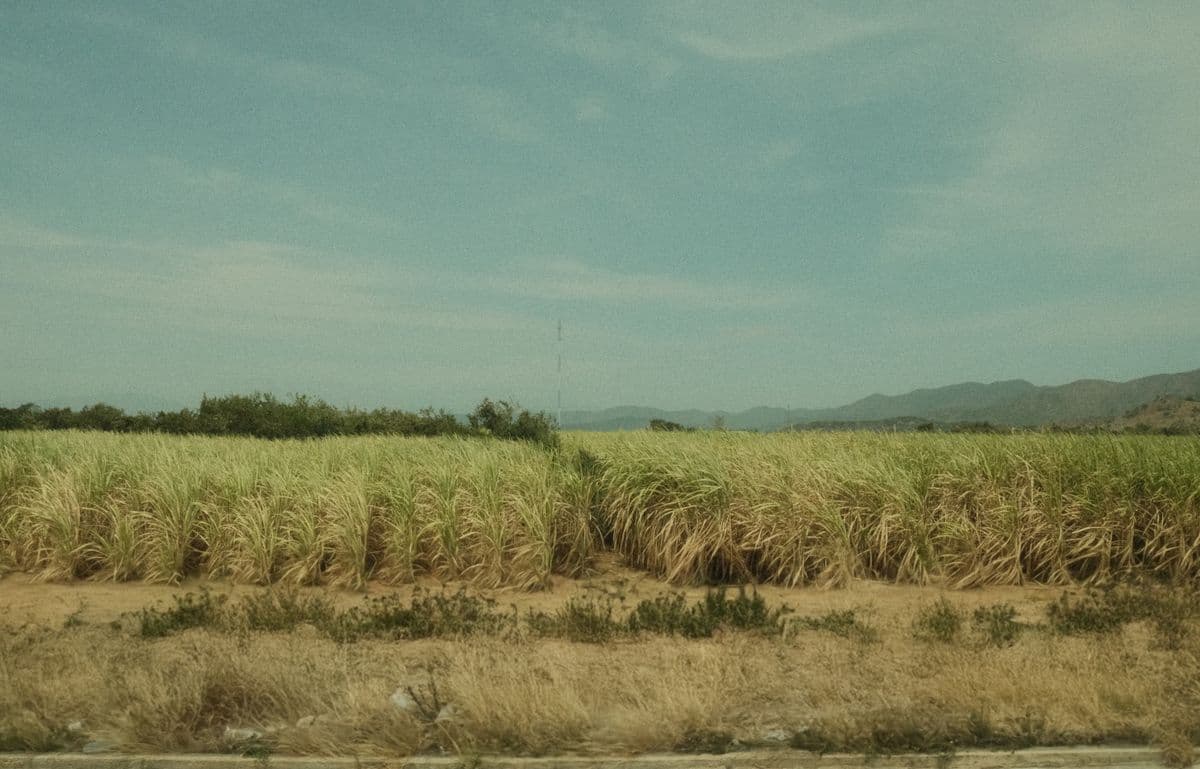
Regenerative farming, made bankable
We believe that soft commodity supply must adapt to survive growing demand and a more volatile climate. We help processors and farmers manage the transition, with operational and financial support. We move that risk off the farm: multi-year offtake, a price floor, a funded farm plan, and capital to invest, implemented and monitored by satellite, verified on the ground.
Sustainably grown foods should not depend on a premium price. Transitioning to regenerative supply is the stronger commercial choice: for the grower, the processor, and the landscape.
Grower willingness to adapt has never been the problem. However, facing prices that swing without warning, one-year contracts, and no capital to invest, no farmer can bet the farm on practices they cannot afford. Most regenerative programmes hand out training and a badge, then wonder why nothing changes in the field. We build the architecture that removes the bet.
One lever won't move a farm. Four will.
Offtake, price stability, capital, and proof each help on their own. Bolt them together at the processor, and you get what no training programme can: the conditions under which regenerative practice is simply the rational choice.
Multi-year offtake
Five to seven year purchase commitments instead of one-year futures. Long enough for a grower to invest in the soil. Secure enough for a processor to count on supply.
Price stability
A collar that holds the price inside a band. A floor under the grower through the bad years. A ceiling that keeps the processor competitive in the good ones.
Farm investment
Capital up front to upgrade the farm and fund the agreed plan. Regenerative practice paid for at the start, not loaded onto the grower.
Verified data
Satellite imagery tracks canopy health and practice adoption continuously, with site visits only when issues arise. Proof a buyer can report and a financier can underwrite.
The architecture is the offer. The platform is how the data leg is delivered: continuous, low-cost verification that a buyer can report and a financier can underwrite.
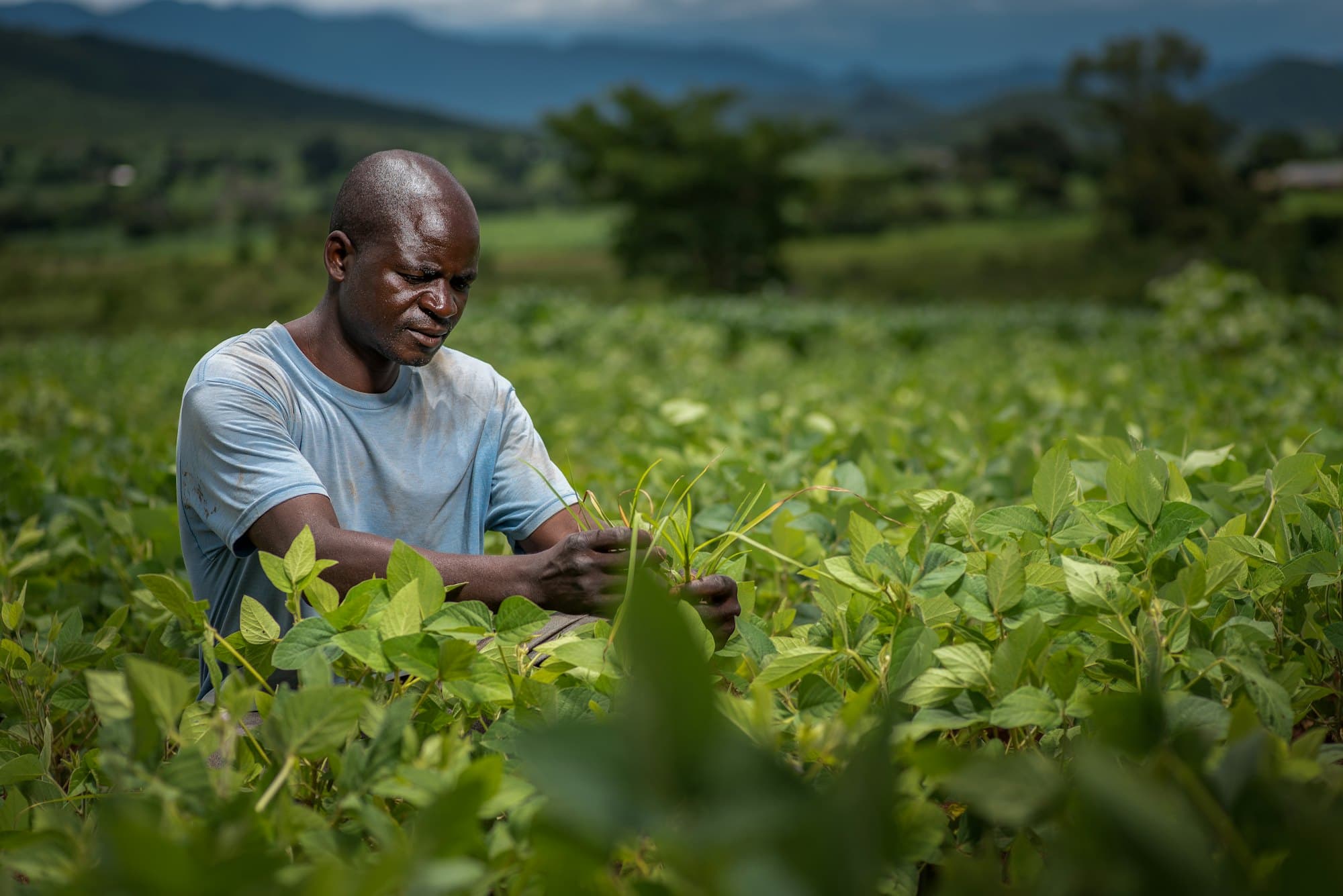
Built around the people who actually grow the world's commodities.
With climate pressure rising, the cost of acting just fell.
Erratic rainfall, heat, and drought are already hitting the farms that feed global supply chains, and price shocks follow. Grower livelihoods and buyer supply are exposed together. Resilience is no longer optional.
Monitoring thousands of scattered farms once meant drones, dedicated satellites, and teams walking every field, at a cost few programmes could bear. Open satellite imagery and AI now carry the continuous watch, with site visits only when issues arise, at a fraction of the price.
Five years ago this was unaffordable. Today it is not. That is the window, and it will not stay open on its own.
Illustrative view of the live prototype at regencommodities.co.uk/platform
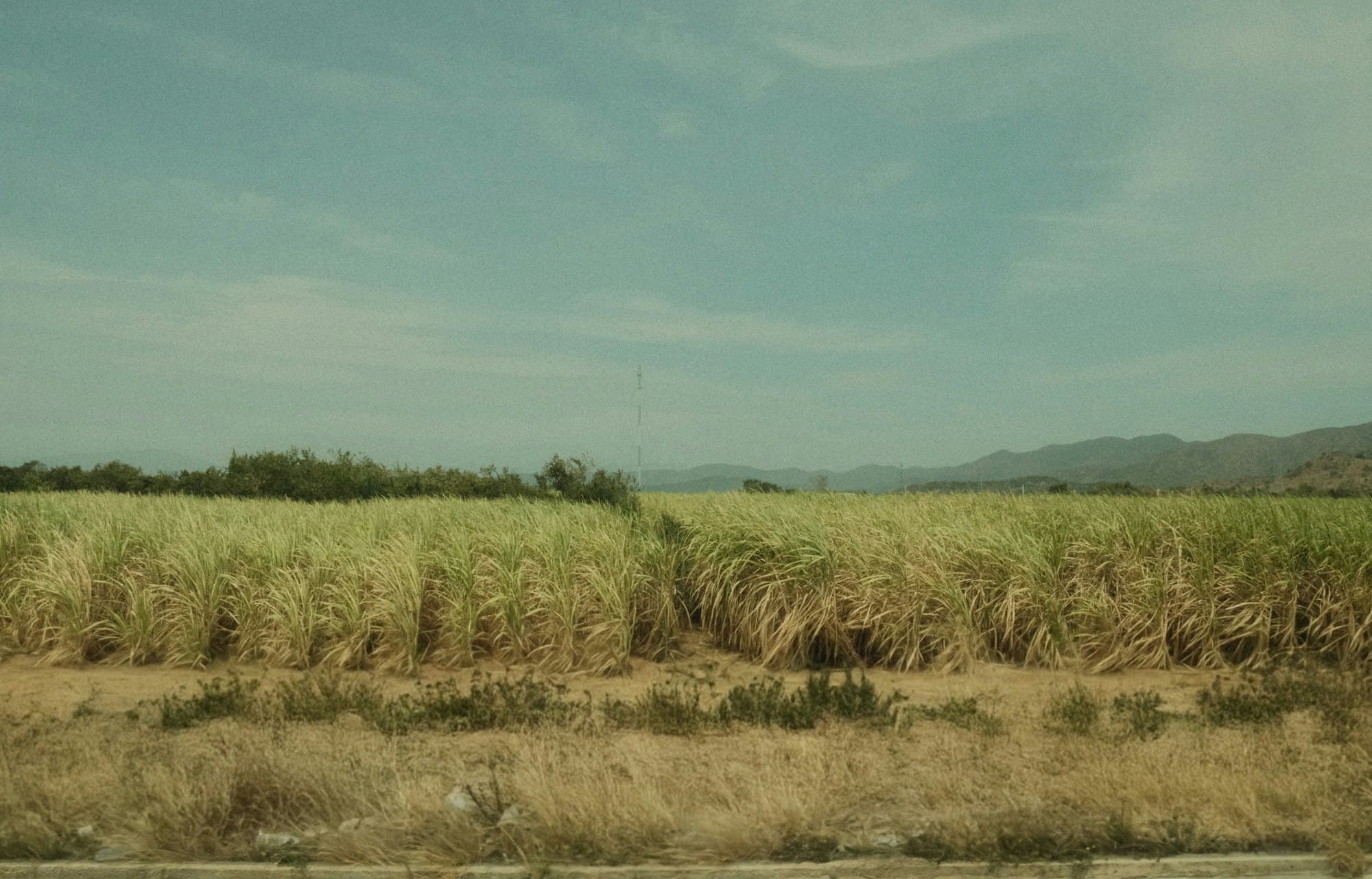
We start with sugar. The architecture travels.
Smallholder cane is where the need is sharpest and the growers most exposed. The same architecture then carries across the soft commodities that feed the world.
Sugar
Our first focus: smallholder cane
Coffee and Cocoa
Fragile, high-value supply chains
Edible Oils and Fats
Palm and oilseed supply base
Maize, Cotton and Rubber
The expansion roadmap
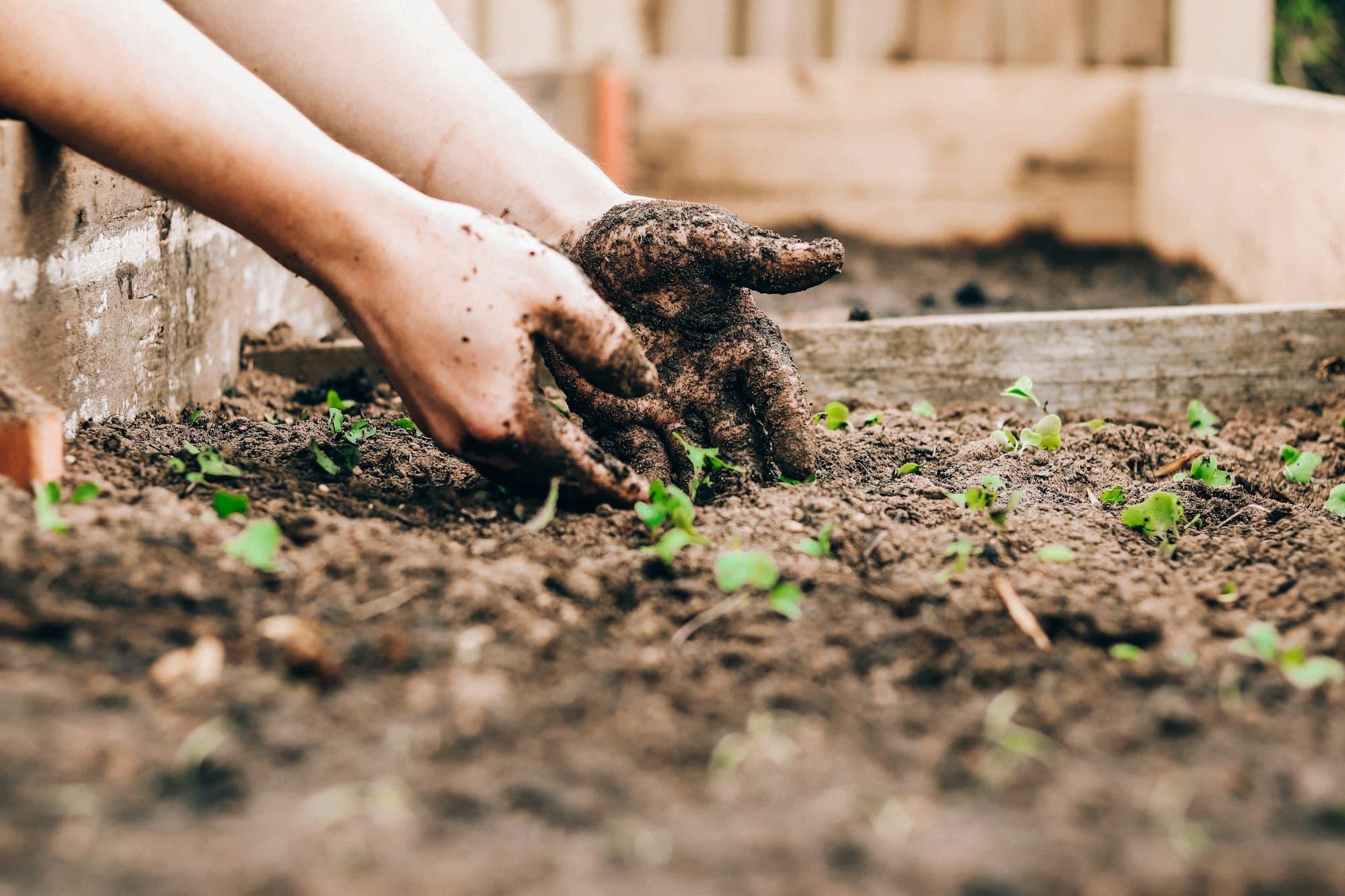
Regenerative practice, funded up front. Not asked of growers who cannot carry the cost alone.
One model to align them all.
This holds because it does not run on goodwill. Every party is better off inside the model than outside it. That is what makes it last.
Processors and buyers
Supply you can rely on and Scope 3 progress you can prove, in one structure, deployed at the scale of your own investment.
Development finance
A bankable, evidence-backed route for development capital to reach smallholder agriculture, with impact you can measure instead of assume.
Growers
A price they can plan around, a contract that outlasts the season, and the capital to farm regeneratively. The risk is shared, not dumped on the farm.
We build from the farm up
Regenerative Commodities began with one observation: the barrier to regenerative farming is not limited to knowledge or willingness. It is that the grower is asked to carry the whole risk of changing how they farm, while the payoff arrives years later and often lands with someone else. So the practices that rebuild soil, water, and biodiversity get filed under cost. Done properly, they are the foundation of a stronger business.
We exist to change that, by closing one gap: between farming well and being paid well for it. We start at the grower and the processor, not the trading desk. You cannot design an architecture that holds unless you understand the farm plans, the cashflows, and the realities of an outgrower season from the ground up. So that is where we begin.
Make regeneration the obvious choice.
If you process, buy, or finance soft commodities, the fastest way to judge the model is to see it. Book a 30-minute walkthrough and we will take you through the structure end to end.